
Israeli Election 2026: Voters choose between blocs and thresholds
The 3.25% electoral threshold will determine which small parties gain seats as Israel's main political factions compete for Knesset representation.
By Aaron Mitchell ·
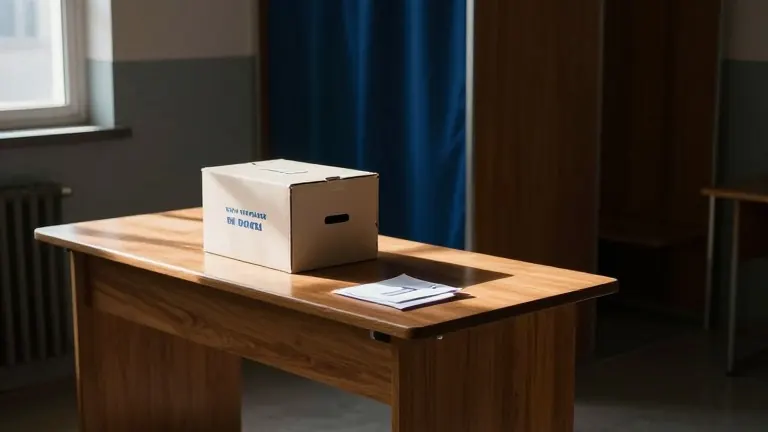
Israelis cast ballots on Monday to select the next Knesset. The contest pits two major coalitions against each other while smaller factions fight to clear a 3.25% threshold for parliamentary entry. The outcome will determine whether the current government led by Benjamin Netanyahu retains power or faces a new leadership configuration.
The political landscape has shifted since the last election. Naftali Bennett, who previously led a governing coalition, now heads the centrist party B'Yachad in the opposition. Gadi Eisenkot leads the centrist party Yashar, which also opposes the sitting government. In the right-wing camp, Itamar Ben-Gvir leads Otzma Yehudit, while Bezalel Smotrich co-leads the Religious Zionist Party alongside Moshe Feiglin. Both parties remain part of Netanyahu's current coalition.
The religious parties play a stabilizing role for the right. Shas and United Torah Judaism are ultra-Orthodox groups that prioritize maintaining exemptions from military service for yeshiva students. They currently sit with the Netanyahu bloc. On the left, Yair Golan leads the Democrats party, which emphasizes civil rights and equal military service. The Joint List and Ra'am represent Arab Israeli politics, with the former focusing on national rights and the latter on practical improvements in Arab communities.
Three smaller parties face an uncertain fate as they hover around the 3.25% threshold. The People of Israel, led by former IDF general Ofer Winter, supports Netanyahu for prime minister but demands new leadership outside the establishment. The party also insists on haredi enlistment as a condition for joining a government. The Reservists-Economic Party, led by Yoaz Hendel and Yaron Zelekha, combines security stances with economic reform and demands a universal conscription law before forming a coalition. The Haredi Public Party, led by Moti Leitner, seeks to challenge Shas and United Torah Judaism by advocating for broader military service among the ultra-Orthodox.
Voters will see specific letters on the ballot to identify these parties. Likud is marked with the letters Machal, while Yashar uses the letters Derek. B'Yachad appears as Rak, and the Democrats as Emet. Yisrael Beytenu, led by Avigdor Liberman, is marked with the letter Lamed. Otzma Yehudit uses the letter Bet, and the Joint List uses Vav-Dalet-Mem. Ra'am is marked with Ayin-Mem, Shas with Shin-Samekh, and United Torah Judaism with Gimel.
The Religious Zionist Party is identified by the letter Tet. The People of Israel party uses Kaph, while the Reservists-Economic Party uses Dalet-Yod. The Haredi Public Party is marked with Zayin-Kaf. Polls place the People of Israel and the Reservists-Economic Party near the cutoff, meaning small shifts in voter support could alter the balance of power in the Knesset.
Counting begins as soon as polling stations close. The results will indicate which parties secure enough votes to form a working majority. The final seat distribution will dictate who gets to lead the coalition negotiations and form the next government.
Source: The Jerusalem Post